Jazz Studies Program
History, Rhythm, and Innovation Combined.
From the Harlem Renaissance to the Present
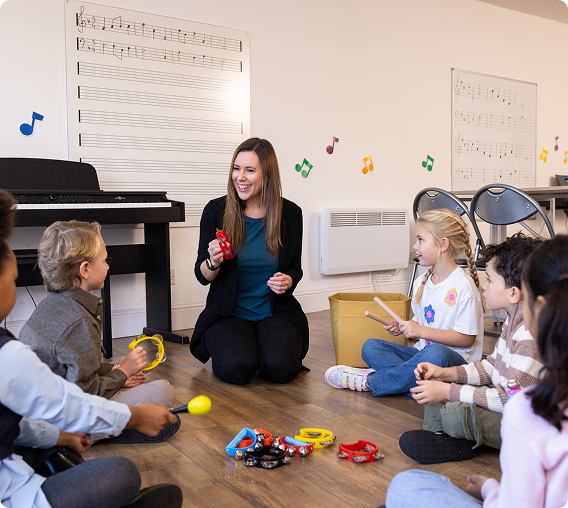
Jazz education is integrated into music history, cultural literacy, and creative production at our academy. Jazz is studied not only as music, but as a movement of artistic innovation and social expression.
Students Study:
The origins of jazz in the late nineteenth and early twentieth centuries
The Harlem Renaissance of the 1920s and 1930s as a cultural and artistic movement
Jazz as artistic innovation and social expression
Influential musicians from the Harlem Renaissance era
The evolution of jazz into contemporary forms
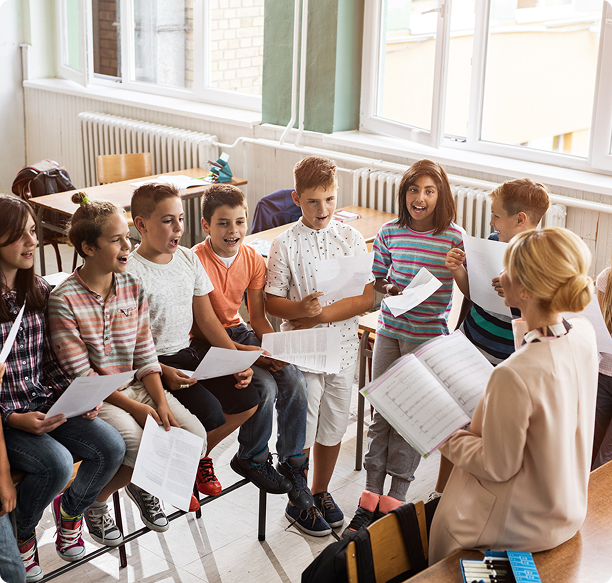

Instruction Connects Multiple Disciplines:
History
The Great Migration and cultural transformation
Music
Rhythm, improvisation, composition
Literature
Harlem Renaissance poetry and prose
Economics
The rise of Black-owned venues and artistic entrepreneurship
Social Studies
Civil rights and cultural identity
Students May:
Analyze jazz structure and improvisation
Recreate rhythmic patterns
Compose original pieces inspired by historical styles
Study lyrics and poetry from the Harlem Renaissance
Explore jazz’s influence on modern hip-hop and contemporary music
Jazz becomes not just music, but a study of innovation, resilience, and intellectual creativity.

Why This Matters
The Harlem Renaissance represents a powerful intersection of:
Art
Literature
Music
Economic self-determination
Cultural pride
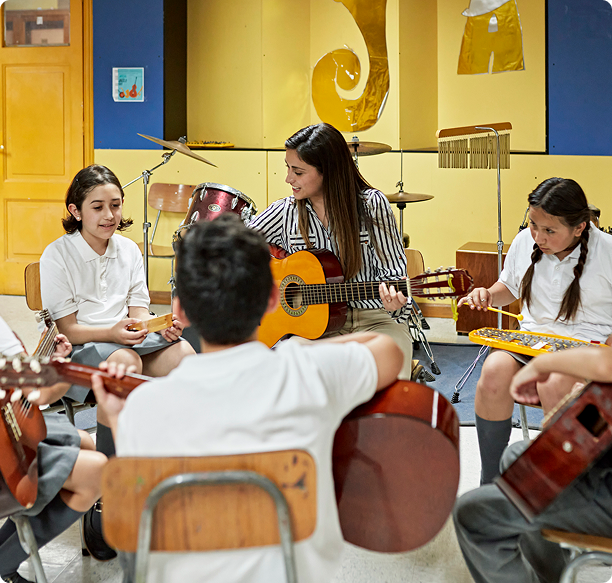
By integrating jazz studies into arts education, students learn:
Improvisation as problem-solving
Rhythm as mathematical pattern
Music as historical narrative
Creativity as leadership
Cross-Pillar Integration
Organic African seed cultivation connects multiple academic disciplines:
Science
Biology and ecosystems
History
Agricultural heritage
Mathematics
Growth measurement and yield tracking
Technology
Soil and climate monitoring
Business
Crop economics
Reading
Research and global studies
This is not fragmented learning. It is structured integration.


Our Model
At STEAMBarn Academies:
STEAM builds innovation.
Agriculture builds stewardship.
Reading builds power.
Culture builds identity.